Did you know that agricultural pests are one of the main challenges facing Brazilian agriculture?
The presence of caterpillars, bedbugs, borers and other insects compromises quality and productivity, requiring solutions that are safe for the environment and sustainable for the packaging industry and consumers.
In this sense, plant-based extracts are gaining ground and have the potential to transform integrated pest management in Brazil's tropical conditions.
Compounds such as neem oil, citronella, eucalyptus, melaleuca and eugenol, extracted from plants, offer repellent characteristics, inhibiting the feeding and even growth of pests, providing balanced management, preserving fauna and flora.
This article shares an informative overview of how these natural substances work in pest control, details their applications in different crops and presents an overview of their impact on plant protection.
Do you want to understand how these assets work and how they can transform integrated crop management?
Read on to explore these insect pest management issues with Revella Tech's solutions.
Let's find out a bit more about this?
Happy reading!
WHAT ARE plant extracts?
"Plant extracts are substances extracted from plants with natural insecticidal, fungicidal or repellent properties." Most of these active ingredients are found in our daily lives in cosmetic formulations that are prevalent in our daily consumption.
The highlight for use in agriculture is that the nano and microencapsulation chemical technology industry is providing these compounds so that they can contribute to integrated pest management as an alternative to traditional chemical pesticides.
Because they are biodegradable and present a low toxicological risk, they have gained great prominence as solutions that respect the environment and preserve human health.
Learn more about Revella Tech solutions(Click here!).
EXAMPLES OF EFFECTIVE plant extracts
NEEN (Azadirachta indica)
Rich in azadirachtin, it is used because of its repellent and growth-inhibiting action on insects. It acts directly on the hormonal system of pests, preventing ecdysis (moulting) and reproduction.
Multipurpose active ingredient that extends the action of products aimed at managing harmful insects in various crops, including aphids, corn leafhoppers, mealybugs, mites, whiteflies, among others.
Also in the studies by Santos et al. (2012), it was observed that eugenol and neem have antimicrobial properties.
It also acts as an amplifier of the effectiveness of repellents, dislodging products and insecticides.
EUGENOL
Extracted from cloves, it has ancient properties known as insecticides and fungicides. It acts as a natural repellent and is effective against agricultural pests such as mites and borers.
It helps fight diseases transmitted by insects and fungi through the natural pathways present in the terpenoids in its composition.
It acts as a neurotoxin by blocking acetylcholine receptors in the insects' nervous system, causing paralysis and death
According to Santos et al. (2012) it also proved to be a good acaricide and can be used in areas with infested crops.
MELALEUCA OIL(Melaleuca alternifolia)
Known for its antifungal properties, which are widely used in cosmetics, it also has an insecticidal action. It is mainly used to control diseases and fight sucking insects.
Terpenes, such as terpinen-4-ol, destabilize the cell membrane of fungi and insects, causing leakage of intracellular contents and cell death (SILVA et al., 2021).
Extracted from the leaves of a tree native to Australia, melaleuca oil is rich in bioactive compounds with insecticidal, antifungal and bactericidal properties.
These compounds have shown numerous benefits in the management of agricultural pests and diseases, acting as a protection enhancer for crops in our country's conditions.
CITRONELLA + EUCALYPTUS
Both known for their repellent action, it is effective against mosquitoes, bedbugs and some caterpillars.
Composed of cineol and other terpenes, it has an insecticidal and repellent action. It is used to boost conventional products for controlling bedbugs, borers and some pests in the storage of agricultural products.
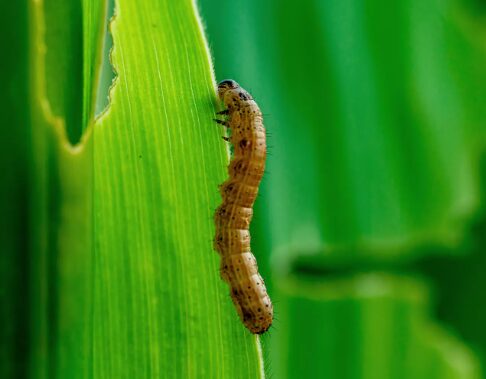
Figure 1 - Corn rootworm caterpillar. Agrogalaxy (2024).
Research by Vieira et al. (2021) also indicates the advantages of using these products. Citronella essential oil, for example, showed a mortality rate of 84% in the control of Myzus persicaeattributed to the action of the compound citronellal, which interferes with the pest's nervous system
This type of product can also be used as acaricides, significantly reducing the incidence of these agricultural pests (SANTOS et al., 2012).
We'll explain a little more about it from now on!
Advantages of plant extracts in pest management
- Lower environmental impact: because they are biodegradable and receive Revella Tech microcapsules, they are used in very low doses, which reduces contamination of soil, water and non-target organisms.
- Safety for the applicator: they are less toxic than conventional chemical products.
- Reducing pest resistance: pests often develop resistance to chemical pesticides, but plant extracts, due to their structural complexity, hinder this process.
- Compatibility with integrated pest management (IPM): these are important items in IPM. Thanks to the chemical and physical protections generated by Revella capsules, it is possible to make these active ingredients compatible in different formulations, allowing integrated use with cultural practices and biological control.
How do plant extracts work?
Plant extracts act in different ways:
- Repellency: substances such as citronella and neem oil keep insects away from plants.
- Growth inhibition: compounds such as azadirachtin interfere with the development cycle of pests.
- Direct toxicity: eugenol and other terpenes present in essential oils cause metabolic imbalances in insects.
- Antifungal and antibacterial effect: active ingredients such as melaleuca and eucalyptus also help to control diseases that accompany pests.
Did you know?
" Revella Tech develops sustainable additives, composed of suspensions based on micro and nanoparticles stabilized with molecules from plant extracts, using 100% Brazilian technologies and raw materials"
Nanotechnology applied to plant extracts
Our company has led the way in this area by developing solutions with active ingredients of plant origin, micro and nanotechnology, which improves the performance of different applications in the field.
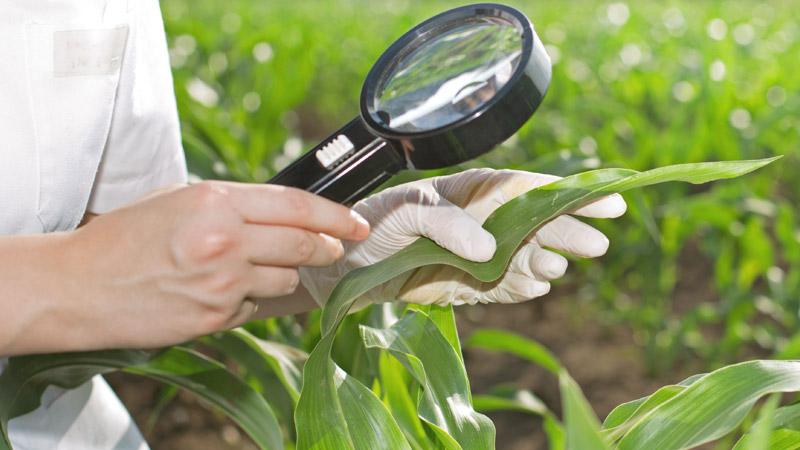
Figure 2: Integrated pest management. Good agronomic practices (2024).
Molecular interaction and precision
As we mentioned earlier, micro- and nanotechnology allow for a more precise interaction between plant extracts and target pests.
With it, you can direct your product only where you want it, without economic losses.
In this sense, by reducing the particle size to the micro and nanometer scale, it is possible to create formulations that penetrate the insect cuticles and act in a targeted manner. In addition to this significant advantage, long-term stability allows for use without the risk of phase separation, phytotoxicity or even clogging of applicator nozzles.
This increases the effectiveness of the compounds without the need for high doses.
These technologies are also compatible with digital monitoring systems, allowing growers to adjust applications in real time.
This compatibility with digital systems strengthens integrated pest management, as it integrates meteorological data, satellite images and field analysis to guide decision-making.
Innovations in the field
Among these new technologies, our company stands out with products formulated from micro and nanoparticles stabilized with plant extracts.
In this model, the industry speeds up its launches, makes a profit with new, even more competitive products and rural producers are able to make more money by reducing their costs.
These formulations produced by Revella resist degradation by environmental factors such as UV light and temperature variations.
As you have seen, the products in our portfolio, such as the additives based on micro and nanoparticles stabilized with neem and melaleuca essential oils, are great potentiators in the fight against bedbugs, whiteflies and caterpillars in crops such as soybeans, corn and cotton.
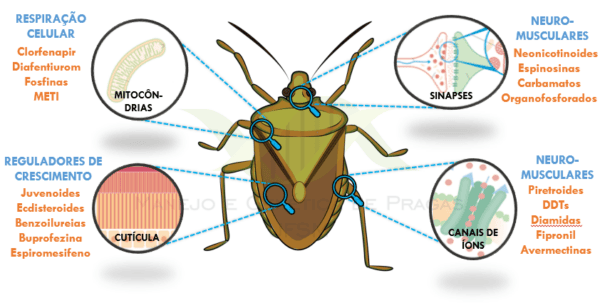
Figure 3 : Insecticide growth regulators. Osalim (2024).
In addition, the formulations naturally contribute to positive side effects, such as protection against pest-related diseases .
Plant extracts in pest control
Historically, active ingredients based on neem oil and eugenol have had insecticidal and repellent properties.
However, the effectiveness of these products can be limited by factors such as volatilization and rapid degradation.
The application of micro- and nanotechnology solves these challenges by stabilizing bioactive compounds in functional capsules.
This technique prolongs the release of the active ingredients, ensuring continuous action, reduces volatilization and contributes to increased results in the field.
Studies by Soares and Santos (2021) show that plant extracts such as neem oil and melaleuca are effective against the whitefly(Bemisia tabaci).
Another study by Leite et al. (2020) showed that citronella-based insecticides offer effective control against the cartridge caterpillar(Spodoptera frugiperda) in sweet corn.
See how Revella's micro and nanotechnology can be used to your advantage, allowing the active ingredients to further enhance pest control applications in a targeted and prolonged manner.
Conclusion
In this article, we explore how plant extracts such as citronella, eucalyptus, tea tree oil, eugenol and neem represent alternatives in pest management.
Its repellent, insecticidal and antifungal properties, known for thousands of years, offer a solution for protecting crops such as soya, corn, sugar cane, coffee and cotton.
You have seen that the adoption of these compounds requires attention to challenges such as volatilization, rapid degradation and production costs.
However, we have seen that modern technologies, such as micro- and nanotechnology applied by Revella Tech, overcome these barriers by stabilizing bioactive compounds, prolonging their release and ensuring greater efficacy in the field.
With technical planning, strategic use and investment in innovation, plant extracts can integrate management systems and promote resilient agriculture.
The future of agriculture lies in integrating innovative practices like these.
That's why we invite you to learn more about Revella Tech 's solutions and discover how to transform your crop management in an efficient and environmentally responsible way.
References
SANTOS, A. V.; OLIVEIRA, R. A.; ALBUQUERQUE, G. R. In vitro effect of neem extract (Azadirachta indica) and clove essential oil (Syzygium aromaticum) on Rhipicephalus (Boophilus) microplus. Revista Brasileira de Medicina Veterinária, v. 34, n. 2, p. 111-115, 2012
SILVA, S.; CARVALHO, J. W.; et al. Antifungal properties of essential oils and plant extracts on Fusarium sp. and Aspergillus sp. isolated from beans. Holos, v. 11, n. 2, p. 1-10, 2021. DOI: 10.15628/holos.2020.6889
SOARES, T. N. A.; SANTOS, C. A. B. Plant extracts with potential for the control of the whitefly (Bemisia tabaci Genn). Natural Resources, v. 11, n. 2, p. 22-29, 2021. DOI: 10.6008/CBPC2237-9290.2021.002.0004LEITE, T. V. P.; BERTOTTI, D. L. Effect of botanical insecticides applied in the agroecological management of pests in the sweet corn crop. Agrus - Revista Brasiliense de Agroambiente e Desenvolvimento Sustentável, v. 1, n. 1, p. 1-8, 2020